
 Samir Nouiar
Joint Mobility Basics: Unlock Your Athletic Potential
The Beginner Performance Hook
Imagine moving freely, feeling strong, and enjoying every workout without discomfort. That’s the power of joint mobility – your secret weapon for building a resilient, capable body. Whether you’re taking your first running steps or learning proper exercise form, healthy joints help you:
- Move more comfortably in daily life
- Reduce injury risks significantly
- Build confidence in your movement abilities
- Ankles control your foot position when walking/running
- Hips act as your body’s power center
- Shoulders enable arm movements
- Static mobility: Holding gentle stretches (20-30 seconds each)
- Dynamic mobility: Moving joints through their range (arm circles, leg swings)
- Active mobility: Using your muscles to control movement (slow knee lifts)
- Speed: Mobile ankles create powerful push-offs
- Coordination: Hips that move well improve balance
- Power: Shoulder mobility helps throwing motions (even basic ball tosses)
Think of your joints as hinges that need regular oiling. Our Joint Mobility guide pairs perfectly with these basics.
Simple Sports Science Explained
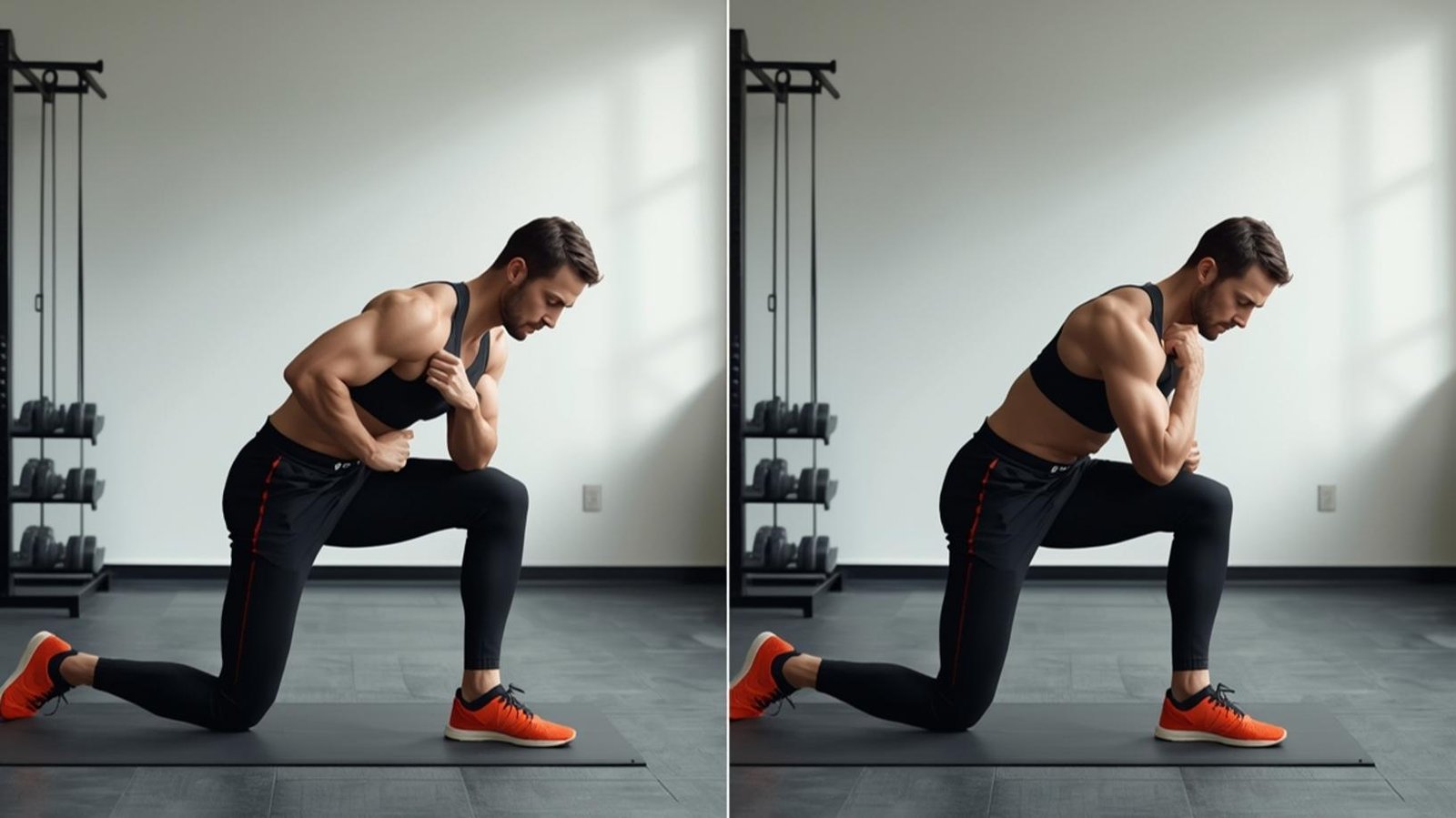
Your joints are where bones meet, allowing movement. Mobility means how well these areas can move through their natural range:
Like a door hinge that squeaks when rusty, joints need regular movement to stay smooth and functional.
The Runner’s Edge for Beginners
3K runners: Better ankle mobility helps you push off efficiently with each step
5K runners: Hip mobility allows longer, more relaxed strides
10K runners: Shoulder mobility reduces upper body tension during longer efforts
Runner’s Corner: Stride Length and Hip Mobility
Try this simple test: Walk with stiff hips vs. relaxed hips. Notice how much easier movement flows with mobile hips? That’s why runners prioritize hip mobility drills
Basic Technical Mechanics
Practical Beginner Training Protocol
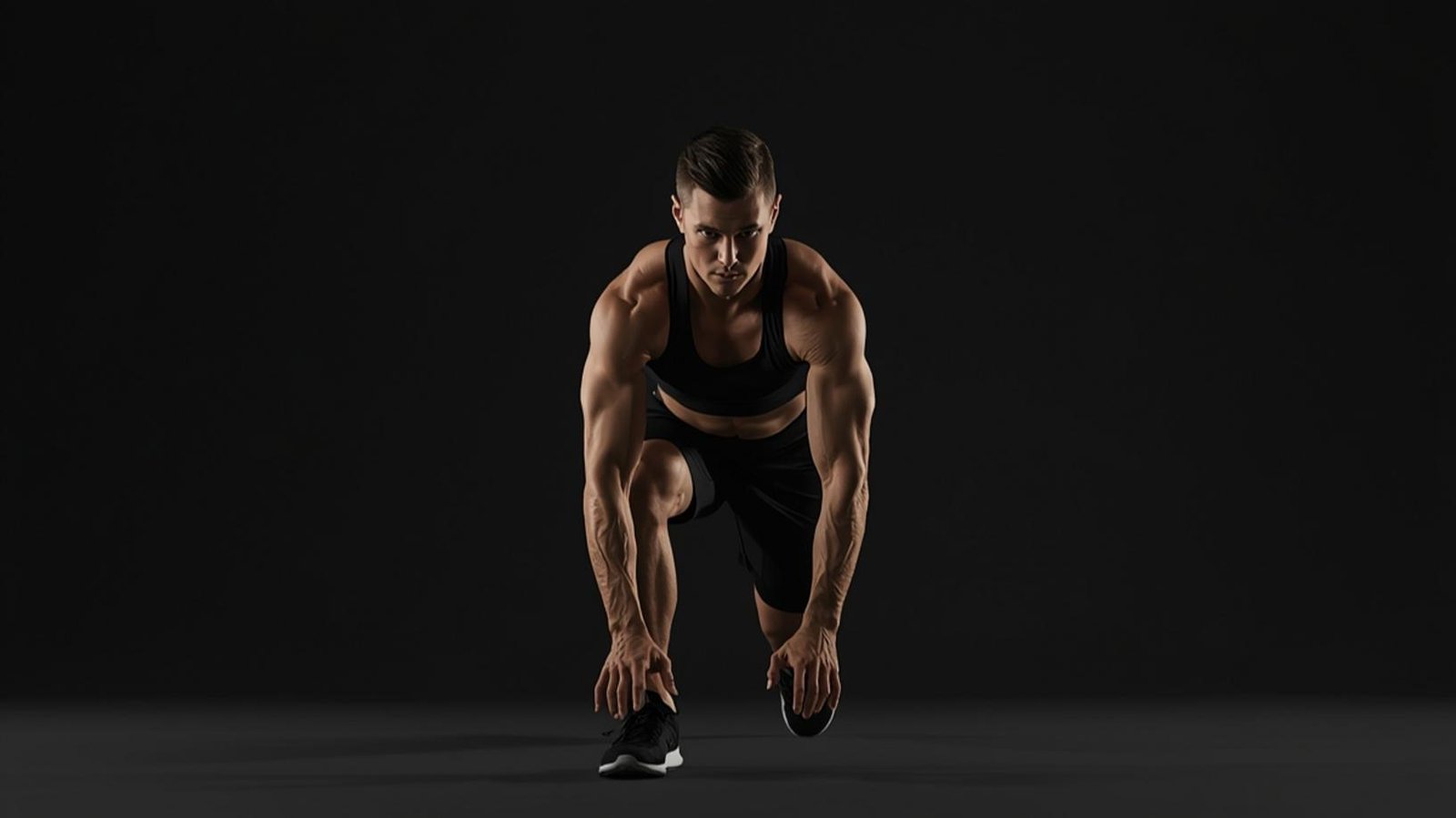
3-Day Mobility Starter Plan
| Exercise | Sets/Duration | Frequency |
|---|---|---|
| Ankle circles | 10 rotations each direction | Daily |
| Cat-Cow stretch | 1 minute flow | 3x/week |
| Doorway shoulder stretch | Hold 20 seconds/side | 3x/week |
Hybrid Synergy for Athletic Development
Good joint mobility helps everything else you do:
Think of your joints as the foundation of athletic movement – everything builds upward from there.
Common Beginner Pitfalls
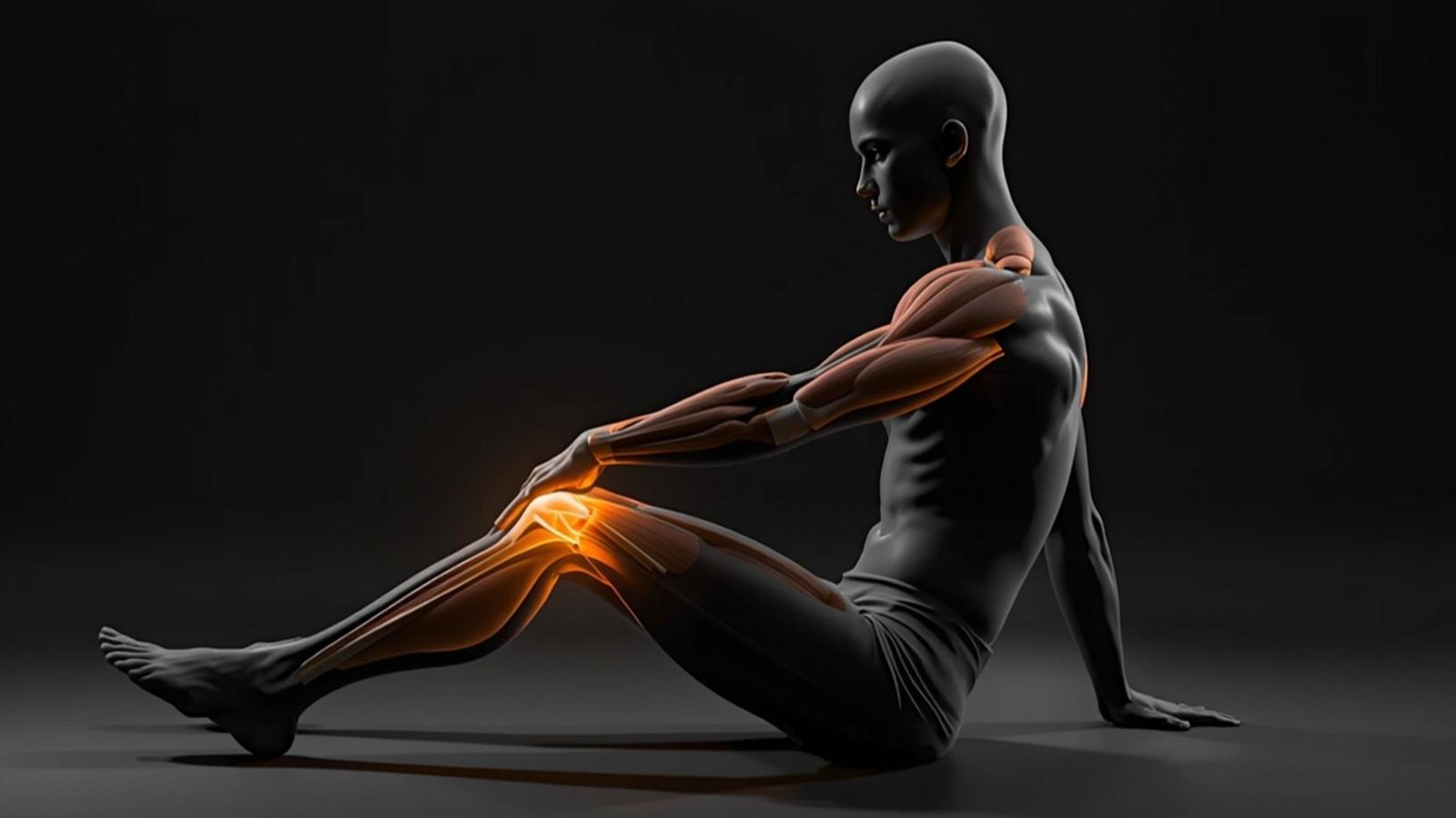
#1 Mistake: Pushing too hard too soon
Solution: Move only to comfortable ranges – no pain!
#2 Mistake: Skipping movement prep
Solution: Always do light warm-up before mobilizing
Conclusion & Gentle Call to Action
Your joints impact how freely you move through life and sports. By spending just 10 minutes daily on these simple drills, you’ll build resilience and confidence in your body. Ready to learn more? Explore our AthletixGo Academy training resources at your own pace.
Athlete FAQs
1. How often should beginners do joint mobility work?
Start with 10 minutes, 3 days weekly – ideally after light activity when muscles are warm. Consistency matters more than duration. Think of it like brushing your teeth: better 2 minutes daily than an hour once monthly.
2. Will mobility exercises make me more flexible?
They’ll improve your ability to move actively through ranges, which is different than passive flexibility. You’ll notice better movement control first – flexibility often follows naturally with consistent practice.
3. Should I feel sore after mobility work?
No sharp pain, maybe mild muscle tiredness like after a good stretch. Joints themselves shouldn’t hurt. If something feels uncomfortable, reduce your range of motion and progress slower.
4. Can I improve mobility if I’m not naturally flexible?
Absolutely! Mobility responds well to consistent practice. Many athletes see noticeable improvements in 4-6 weeks. Celebrate small successes like touching one inch lower or moving more fluidly.
5. What’s the best time for mobility drills?
After light movement (walking, easy cycling) when your body’s slightly warm. Many athletes benefit from mobility work post-workout when muscles are most responsive to lengthening.



GIPHY App Key not set. Please check settings