
 Samir Nouiar
Master Athletic Biomechanics for Better Running Form
The Beginner Performance Hook
Starting your running journey can feel overwhelming—but here’s the secret: small changes in how you move can make running easier, faster, and safer. Athletic biomechanics isn’t just for elite athletes; it’s your toolkit for building a strong foundation. Think of it like learning to drive: mastering the basics of steering and acceleration prevents breakdowns. By focusing on simple movement patterns, you’ll reduce injury risk and enjoy every run more. Even tiny adjustments to your Athletic Biomechanics—how your body creates and absorbs force—can lead to big breakthroughs.
Simple Sports Science Explained
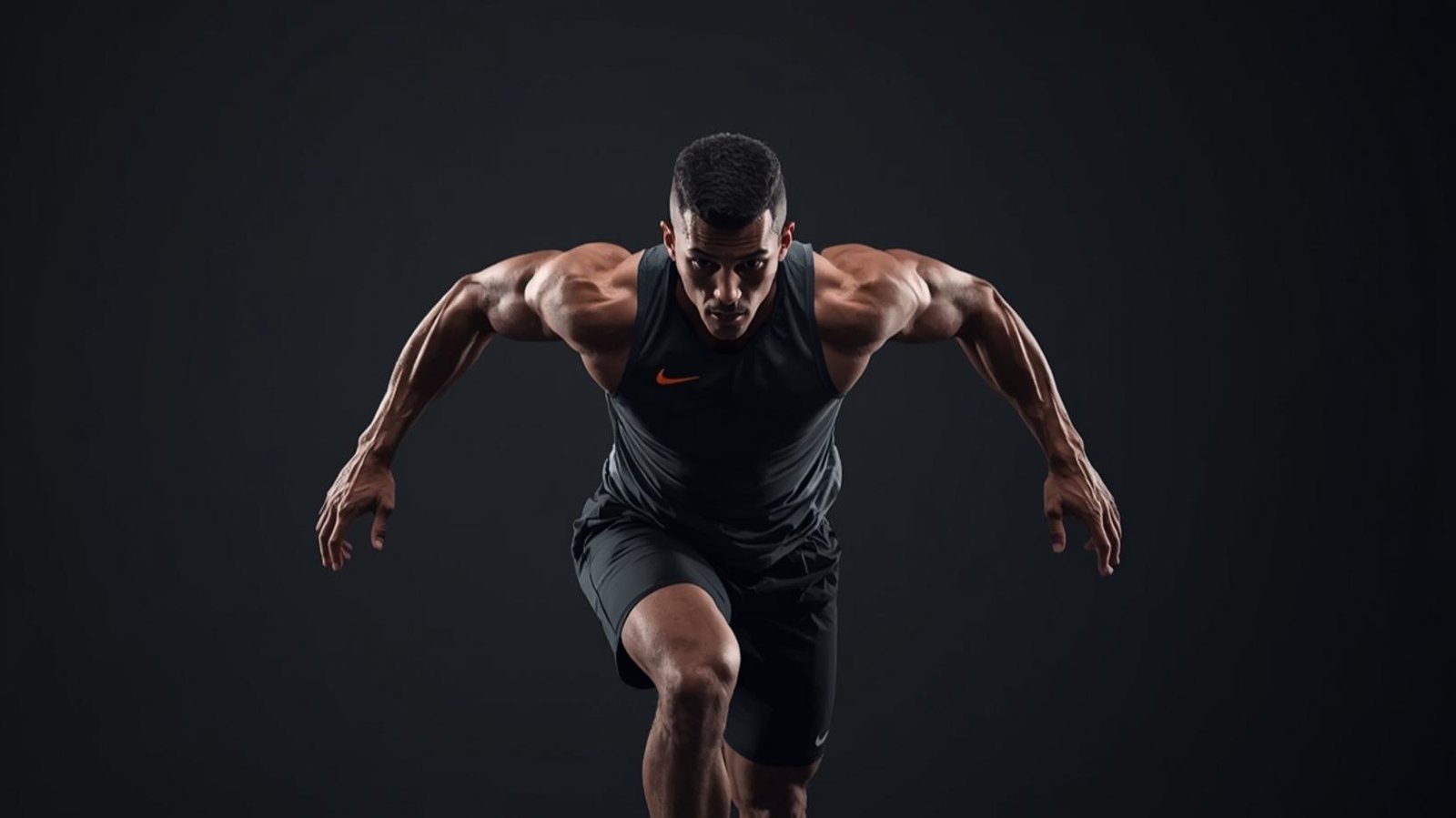
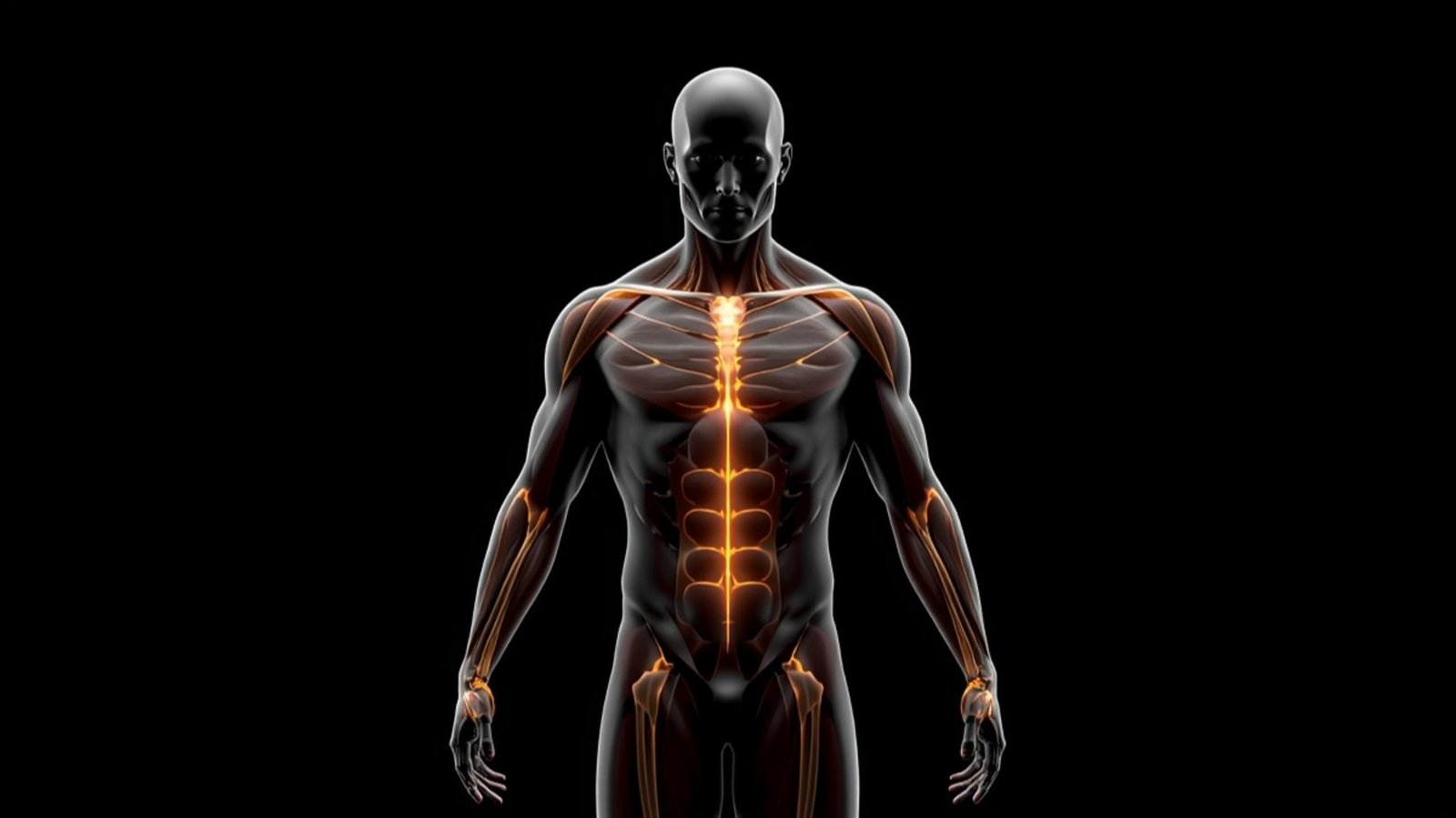
Your body works like a chain reaction during running. The “kinetic chain” means each part—feet, knees, hips, core—links together to create smooth movement. If one link (like tight hips or weak ankles) isn’t working right, other areas compensate, leading to fatigue or pain. “Movement efficiency” is about using the least energy for the best results. Imagine carrying groceries: if the bags are balanced, you walk smoothly. If unbalanced, you wobble, and shoulders ache. Running works the same way! Biomechanics helps you “balance the bags”—aligning posture, stride, and muscle engagement.
The Runner’s Edge for Beginners
3K Runners
Focus on quick, light steps. A shorter stride reduces impact on knees and builds cadence (steps per minute), making faster paces feel easier.
5K Runners Prioritize posture. A straight spine allows lungs to expand fully for endurance, while relaxed shoulders save energy.
10K Runners Train your feet. Midfoot striking spreads impact evenly, delaying fatigue on longer distances.
*Runner’s Corner:* Tired feet? Practice “barefoot drills” on grass (like walking on heels/toes) to strengthen arches.
Basic Technical Mechanics
1. Posture: Stand tall like a puppet pulled up by a string. Look ahead, not down.
2. Arm Swing: Keep elbows bent 90 degrees. Arms should swing front-to-back, not across your body.
3. Foot Strike: Aim for midfoot landings beneath your hips—not out in front. This reduces braking forces.
4. Cadence: Count steps for 30 seconds. Multiply by 2. Ideal range: 160–180 steps/minute.
5. Breathing: Breathe rhythmically (e.g., inhale for 3 steps, exhale for 2).
Practical Beginner Training Protocol
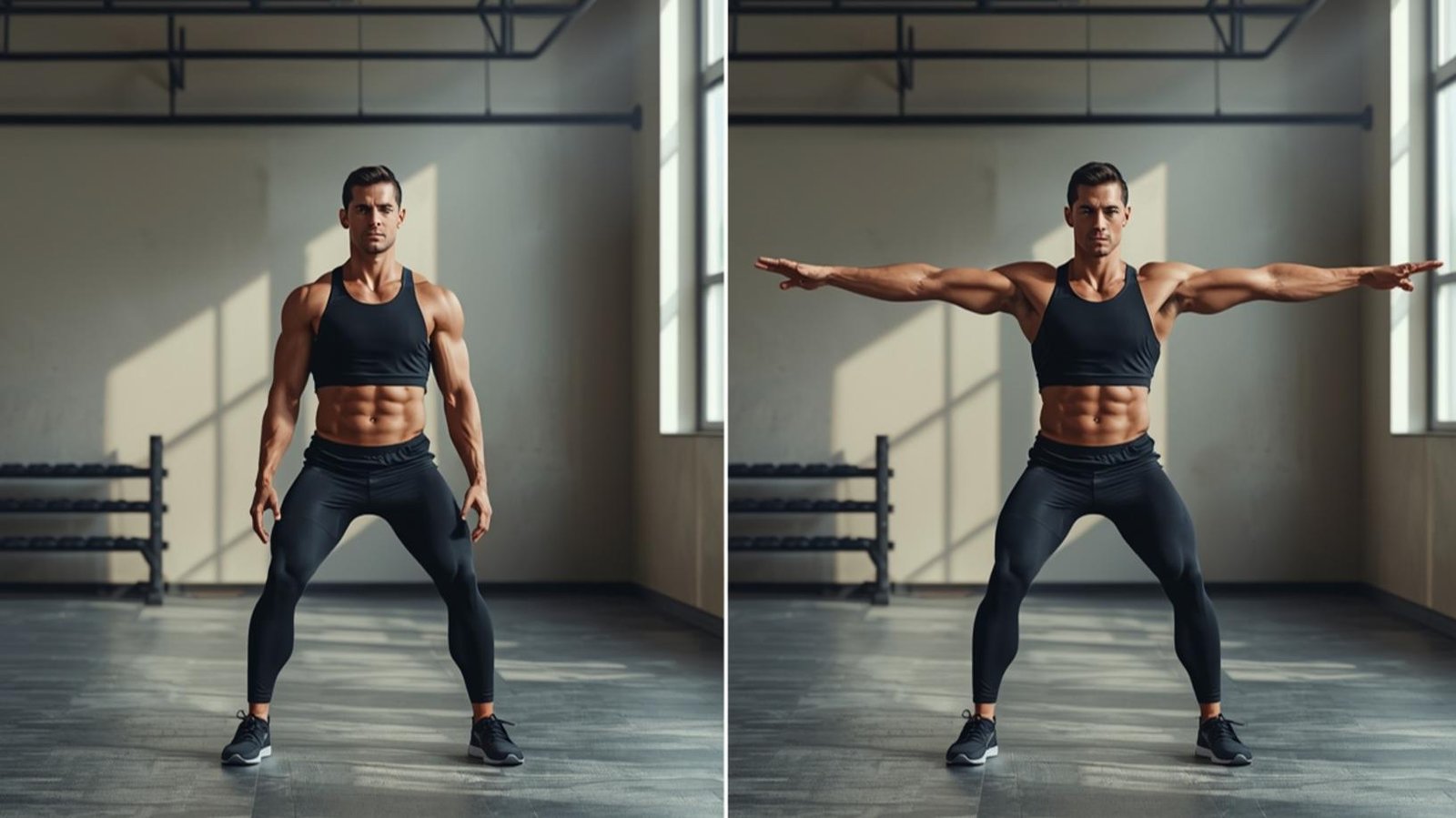
Beginner Drill Circuit (2x/week)
- High Knees: 20 sec (focus on quick, light steps)
- Butt Kicks: 20 sec (loosen hamstrings)
- Heel-to-Toe Walks: 10 reps per leg (improve balance)
- Single-Leg Balance: 15 sec per leg (strengthen ankles)
Rest: 60 sec between drills.
Hybrid Synergy for Athletic Development
Good biomechanics isn’t just for running—it powers jump height, throwing motions, and quick direction changes. For example, sprinters drive knees forward for explosive starts, just like efficient runners do. Similarly, proper hip alignment in a javelin throw reduces shoulder strain. By mastering basics like posture and footwork, you build adaptable strength for any sport.
Common Beginner Pitfalls
1. Overstriding: Landing foot too far ahead slows you down and strains knees. Fix: Shorten stride; land under your body.
2. Hunched Shoulders: Tension in neck/shoulders wastes energy. Fix: Roll shoulders back and relax arms.
3. Heavy Footstrike: Slapping feet loudly means wasted force. Fix: Land softly (imagine stepping on eggshells).
4. Ignoring Discomfort: Soreness is normal; sharp pain isn’t. Fix: Stop immediately if pain persists.
Conclusion & Gentle Call to Action
Athletic biomechanics turns running into a smoother, more joyful experience. Start with one tip—like posture or footstrike—and build from there. Consistency beats perfection. Ready to dive deeper? Explore AthletixGo Academy’s Foundation Training guides to keep progressing safely.
Athlete FAQs
Q: How often should I focus on form during runs?
A: For new runners, check in every 5–10 minutes. Ask: “Am I standing tall? Are my feet landing softly?” It’s normal to forget—just gently reset. Progress takes time!
Q: I run slowly. Does biomechanics matter for me? A: Absolutely! Efficient movement conserves energy, so you tire less at any speed. Think of it as upgrading a car’s engine—you’ll go farther on the same “fuel.”
Q: Should I change my foot strike immediately? A: Make small adjustments gradually. For example, try midfoot strikes for 1 minute per mile at first to let muscles adapt. Sudden changes raise injury risk.
Q: Are expensive shoes necessary for good form? A: Not necessarily. Focus on comfort and fit first. Well-cushioned shoes help, but drills (like barefoot balancing) strengthen feet better than any gear.
Q: Can biomechanics fix knee pain? A: Often, yes! Overstriding or weak hips commonly cause knee strain. Shorten your stride and try hip-strengthening exercises (like side leg lifts) 2x/week.



GIPHY App Key not set. Please check settings